RESEARCH
Filtering Out the Future of Australian Fertility
A groundbreaking Adelaide University study reveals that "safe" levels of PFAS in tap water cause irreversible DNA and fertility damage across generations
20 Apr 2026
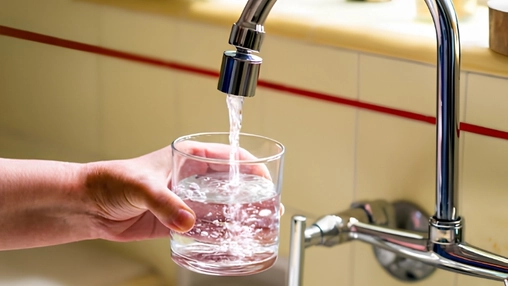
Australia's drinking water is supposed to be safe. A study published in April 2026 in Environmental Research complicates that assurance. Researchers at Adelaide University's Robinson Research Institute exposed female mice to tap water drawn from Adelaide's CBD and four suburban homes, with PFAS concentrations matching what actually flows from the tap. The three compounds tested, PFOS, PFOA, and PFHxS, are the most common PFAS chemicals in Australian water and all sit within limits regulators currently call safe.
After four weeks of daily consumption, the mice showed reduced embryo cell counts, impaired cellular function, and DNA damage in ovulated eggs. Six months in, things got worse: offspring were born underweight, a condition linked to higher lifetime risk of obesity, diabetes, and cardiovascular disease. The study's most unsettling finding, though, was what happened to the next generation. Daughters and granddaughters of exposed mice showed the same embryo abnormalities despite never drinking the contaminated water themselves.
Lead researcher Dr. Yasmyn Winstanley noted the damage did not reverse when exposure stopped, nor with antioxidant treatment, suggesting an irreversible biological mechanism at concentrations regulators classify as harmless. Senior author Professor Rebecca Robker confirmed the damage persisted across every condition tested.
There is at least one practical takeaway. Carbon filtration removed PFAS to levels that eliminated the observed embryo effects in the experimental model. The team plans to develop that into the next phase of their research.
The timing is pointed. Australia updated its Drinking Water Guidelines in June 2025, dropping the PFOS limit to 8 nanograms per litre. The Adelaide study tested concentrations within those new thresholds and still found harm. That puts fresh pressure on regulators to tighten guidelines further, and on utilities like SA Water to expand PFAS testing beyond raw water to filtered tap water at the point where people actually drink it.
Related News


topics on the agenda
THE VALUE OF EFFECTIVE DECENTRALISED WATER RECYCLING
Day 1: MONDAY, 7 DECEMBER, 2026
12:00 - 12:25
DIGITAL TRANSFORMATION AND AI IN WATER TREATMENT OPERATIONS
Day 1: MONDAY, 7 DECEMBER, 2026
14:00 - 14:25
ADVANCES IN PFAS CAPTURE AND DISPOSAL IN LANDFILL AND SEWAGE TREATMENT FACILITIES
Day 1: MONDAY, 7 DECEMBER, 2026
14:30 - 14:55
SUBSCRIBE FOR UPDATES
By submitting, you agree to receive email communications from the event organizers, including upcoming promotions and discounted tickets, news, and access to related events.