INVESTMENT
Australia’s Ten Billion Dollar Thirst
Utilities across Australia are racing to spend $10 billion annually by 2027 to overhaul aging pipes and combat a drier, harsher climate
15 Apr 2026
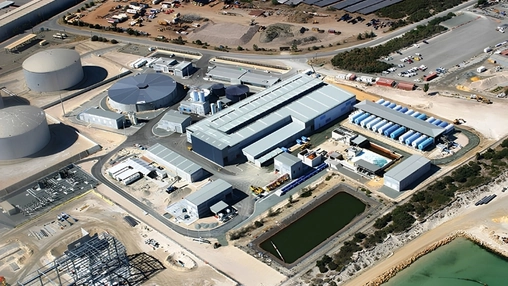
Australia's urban water utilities are heading into their biggest investment cycle in decades. Annual capital spending across the sector is forecast to surpass $10 billion by 2027, according to the Water Services Association of Australia, driven by a combination of ageing assets, stricter contamination rules and the growing costs of adapting to a drier climate.
Sydney Water anchors the national picture. The utility has secured regulatory approval for $13.2 billion in capital investment during its current review period, three times the spending of the previous decade. As part of that programme, Sydney Water is developing advanced recycled water facilities, including a demonstration site at Quakers Hill, marking a strategic shift toward supply sources that do not depend on rainfall.
Pressure is building elsewhere. Western Australia's Water Corporation, which manages assets with a replacement value of $48 billion, is expanding spending across pipelines, pump stations and water sources. In Tasmania, TasWater has put forward a $1.6 billion, four-year capital plan focused largely on environmental compliance. Regulators have questioned the pace, but the industry body has warned that slowing these programmes risks service failures and higher costs over the long run.
Regulation, more than strategy, is setting the pace.
Tightening national guidelines on PFAS, a group of synthetic chemicals found in some water supplies, are forcing utilities to act across multiple asset types at once. Treatment plants reaching the end of their working lives must be replaced. Standards for recycled water are rising. For states that spent little on water infrastructure in earlier years, the accumulated cost is now arriving all at once.
The central question facing regulators and governments is how much of that cost can be passed to consumers before it becomes unaffordable. That question remains unresolved.
Related News


topics on the agenda
THE VALUE OF EFFECTIVE DECENTRALISED WATER RECYCLING
Day 1: MONDAY, 7 DECEMBER, 2026
12:00 - 12:25
DIGITAL TRANSFORMATION AND AI IN WATER TREATMENT OPERATIONS
Day 1: MONDAY, 7 DECEMBER, 2026
14:00 - 14:25
ADVANCES IN PFAS CAPTURE AND DISPOSAL IN LANDFILL AND SEWAGE TREATMENT FACILITIES
Day 1: MONDAY, 7 DECEMBER, 2026
14:30 - 14:55
SUBSCRIBE FOR UPDATES
By submitting, you agree to receive email communications from the event organizers, including upcoming promotions and discounted tickets, news, and access to related events.